What’s a Delaware Statutory Trust (DST) and How Can It Help Childcare Owners?
For childcare owners considering a sale, DSTs may provide tax deferral, potential income distributions, diversification, and a simpler path for future estate planning
For many childcare owners, the business is more than just a company. It’s where you’ve invested years of hard work, served families, built a reputation, and created a lasting legacy. But when the time comes to sell, the tax bill can be staggering—capital gains, depreciation recapture, and even estate tax exposure can eat into what you’ve built.
That leaves many childcare owners asking: “How do I turn the value of my business into potential cash flow without giving it all to taxes? And how do I pass it to my kids without them fighting over it when I’m gone?” One option that may help with both concerns is the Delaware Statutory Trust, or DST.
What is a DST?
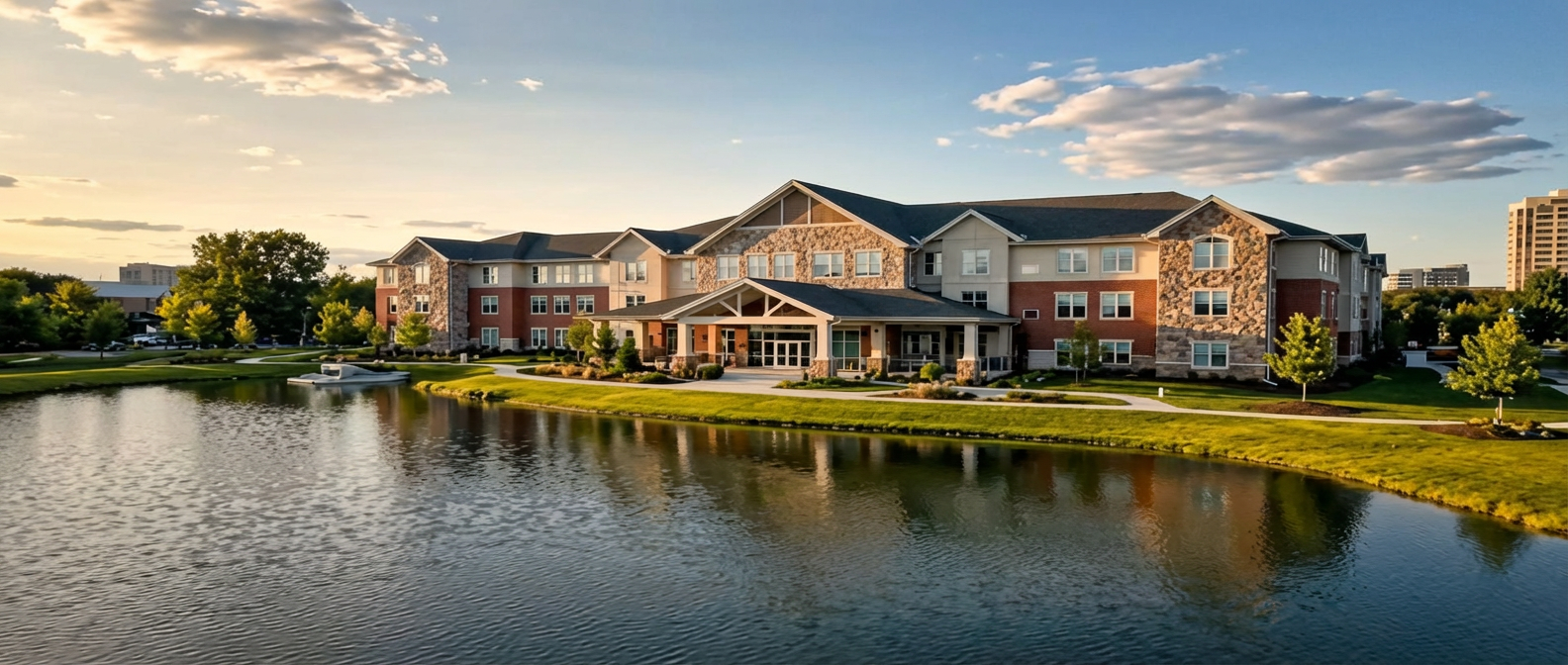
A Delaware Statutory Trust (DST) is a legal structure that allows multiple investors to own fractional interests in large, professionally managed real estate. These are often institutional-grade properties—multifamily apartments, self-storage, student housing, senior living, or industrial facilities.
The IRS, through Revenue Ruling 2004-86, recognizes DSTs as replacement property for a 1031 exchange. That means if you sell highly appreciated real estate associated with your childcare business, you may be able to reinvest through a DST and defer capital gains taxes.
Why Childcare Owners Consider DSTs
Selling a childcare business after decades of ownership is a major decision. Some owners want to pass on a legacy, while others are more focused on creating retirement security. Here are some of the main reasons DSTs come up in those conversations:
Tax Deferral: A 1031 exchange into a DST may allow you to defer capital gains taxes and keep more money working for you.
Potential Income: DSTs are designed to provide potential income distributions from the properties. For some childcare owners, that potential income may even be more predictable than the operational demands of running a business. Instead of relying on a single business operation, DSTs provide access to institutional real estate where the potential income comes from larger, professionally managed properties—allowing investors to take advantage of scale.
No Management Duties: No more handling staffing issues, facility maintenance, licensing concerns, or day-to-day operational responsibilities—the properties are professionally managed.
Diversification: Instead of having most of your wealth tied to one business or property, you can own a slice of multiple property types across the country.
Estate Flexibility: DSTs can make passing wealth down simpler. Unlike privately held businesses where one heir may want to continue operations while another wants to sell, DST interests can usually be divided more easily among children. Each heir can decide what to do with their share. And for childcare owners more focused on retirement, DSTs can also provide potential income to cover their own needs first, while still leaving options for heirs later.
How do DSTs Create Mailbox Money, Retirement, and Tax Shelter Benefits?
For many childcare owners, the first priority isn’t always passing everything down—it’s making sure retirement needs are covered. DSTs can provide potential income distributions that feel like “mailbox money,” showing up without the day-to-day burden of managing a business.
Another key advantage is depreciation. With many operating businesses, taxable income can become a significant issue after a sale. But with DSTs, investors may benefit from depreciation on the underlying properties, which often results in 60% to 80% of potential income distributions being tax-sheltered. In practical terms, that means more of what you receive may stay in your pocket.
This matters because retirement brings new expenses. Medical bills, long-term care, or simply wanting the freedom to enjoy life all cost money. DSTs aren’t guaranteed, but they can provide access to institutional-grade real estate designed to produce potential income—without the daily stress and operational burden of running a childcatre business.
Here’s An Example
Imagine a childcare owner selling a highly successful school after 30 or 40 years of ownership. If they take the cash outright, the tax bill could be overwhelming. By completing a 1031 exchange into DSTs, they may defer those taxes and receive potential income distributions from professionally managed properties. Instead of managing employees, parents, and facilities every day, they can enjoy retirement while knowing their money is still at work.
And when that childcare owner passes away, their heirs may inherit the DST interests with a step-up in basis under current tax law—potentially reducing or eliminating capital gains altogether. That can help avoid family disagreements over how to handle a business everyone feels differently about.
What Are The Risks With DSTs?
DSTs are not for everyone. They are illiquid—meaning once you invest, you generally cannot pull your money out until the property is sold. Fees are involved, and there is always risk of loss. Potential income is not guaranteed. Performance depends on the quality of the real estate and the management team.
The Bottom Line
For childcare owners ready to slow down or transition, a Delaware Statutory Trust can be one way to:
Defer taxes
Reduce management headaches
Create potential income for retirement
Simplify passing wealth down to the next generation
DSTs aren’t for everyone, but for some, they’re a way to turn a lifetime of hard work into potential income, tax deferral, and peace of mind. They can also help reduce conflict among heirs by dividing wealth more simply than property tied up in a partnership.
At Parry Financial, we believe wealth built by grit deserves to be preserved with wisdom.